November 2025

Monthly Top 10 Real Estate Articles for Sydney #88

This month, Sydney’s property landscape continued to evolve across multiple fronts, with affordability pressures intensifying, construction costs poised to surge, price trends diverging between regions, and policy changes reshaping buyer behaviour. The following summaries capture the key themes shaping the market.

The growing “green premium” driving higher property prices

https://www.domain.com.au/news/the-fast-track-to-boosting-your-propertys-value-starts-with-a-pot-plant-1449287/

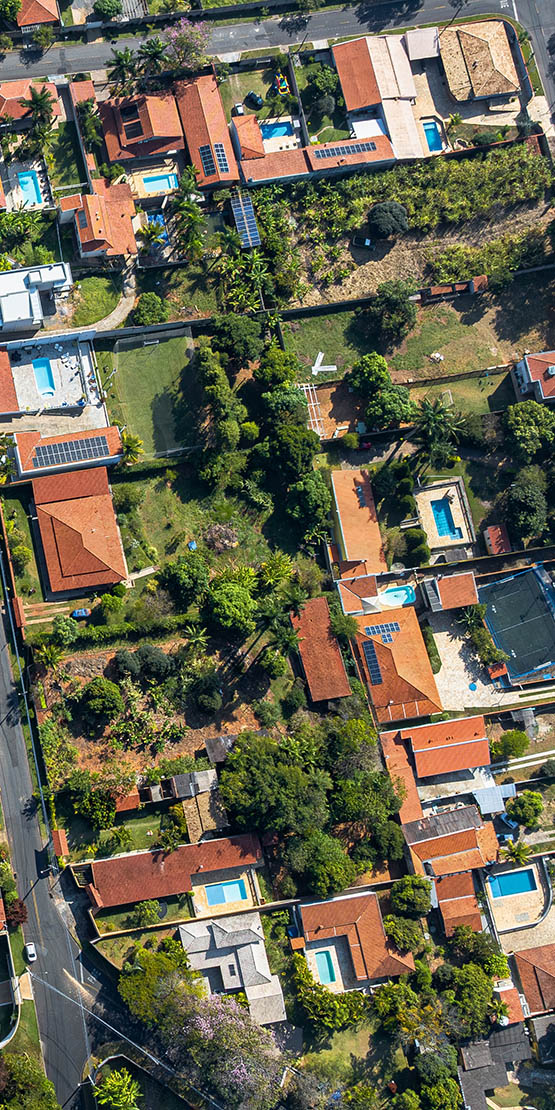
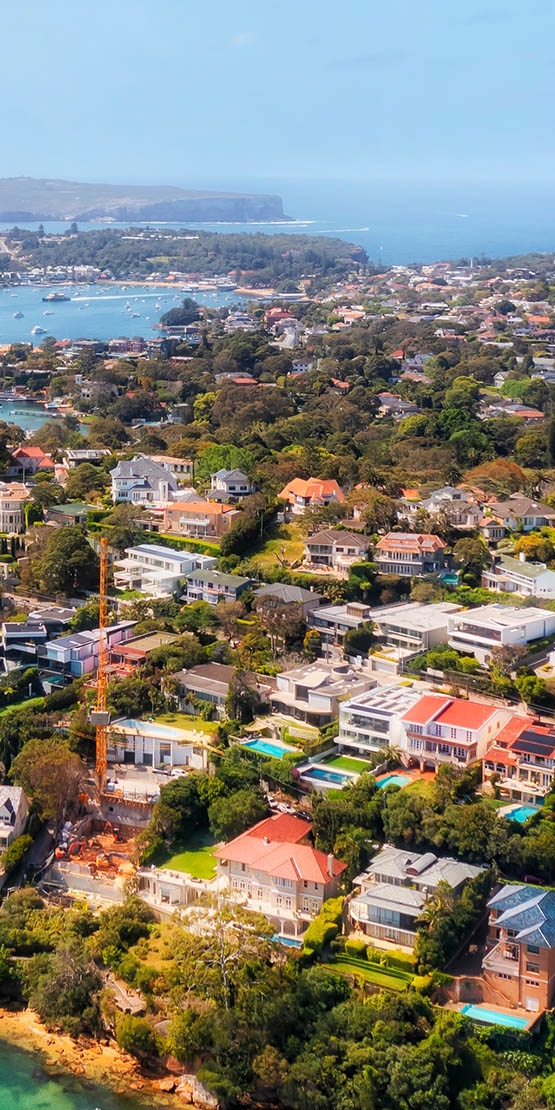
New national research suggests greenery is becoming a powerful value driver in the Australian property market, with buyers paying significantly more for homes featuring established gardens or even simple pot plants. According to the Plant Value Report by Greener Spaces Better Places and Domain, houses with greenery attract an average premium of 17.4 per cent, while units sit at 16.2 per cent. Sydney leads the nation, with premiums approaching 29 per cent for houses. Experts say greenery boosts wellbeing and visual appeal, helping properties sell faster and attract more online attention. Agents report landscaped homes outperform unstyled properties, reflecting shrinking block sizes and a renewed appreciation for nature-born during the pandemic.
Greenery is good on many levels

The eastern suburbs: now (relatively) cheaper for downsizers

Why holding interest rates may be the best outcome for buyers

https://www.domain.com.au/news/dont-be-sad-about-interest-rates-this-is-the-best-news-the-property-market-has-had-all-year-1452084/

Despite disappointment among borrowers, economists argue that the RBA’s decision to hold the cash rate is positive for aspiring buyers and long-term stability. Earlier cuts fuelled renewed investor demand and accelerated price growth to the fastest pace in four years, with Sydney’s median hitting $1.75 million. A further cut risked pushing prices even higher. Experts say that holding rates tempers growth while inflation remains elevated, helping prevent an affordability blowout. While another cut may arrive next year, the current pause allows the market to absorb previous easing and stabilise.

Early effects of the expanded 5% deposit scheme

https://www.abc.net.au/news/2025-11-11/the-suburbs-and-towns-where-entry-level-house-prices-are-growing/105996180

Cotality data reveals that lower-priced homes under the expanded 5% Deposit Scheme grew more than 20 per cent faster than higher-priced properties in October, particularly in desirable regions such as Sydney’s northern beaches, Melbourne’s inner east and parts of Brisbane. While the timing aligns with policy changes, economists caution against attributing the growth solely to the scheme. The government calls the early impact ‘modest’, with about one in 10 sales using the guarantee. Critics warn the scheme risks inflating entry-level prices, with detached houses showing the strongest growth.

Downsizing opportunities emerge in Sydney

https://www.domain.com.au/news/where-its-getting-cheaper-to-downsize-in-sydney-1457502/

Apartment prices in premium downsizer suburbs have recorded sharp falls, with Kirribilli (-15.2 per cent), Double Bay (-13 per cent) and Lindfield (-11.6 per cent) among the biggest declines. Rezoning uncertainty and transport-oriented development plans have rattled confidence in prestige unit markets. Additional declines in Barangaroo, Bondi, Rozelle and the inner city reflect varying local factors including reduced high-value settlements. Despite weaker demand, buyers’ agents believe this presents a rare window for downsizers to secure strong value compared to costly new stock.

Gen X leads Australia’s generational capital gains

https://therealestateconversation.com.au/news/2025/11/07/john-mcgrath-how-gen-x-has-won-the-generational-capital-gains-race/1762468559

John McGrath’s 2026 McGrath Report identifies Generation X as the clear winner in long-term capital gains, having benefited from affordable 1990s purchase prices, favourable interest rate cycles and decades of price growth. A Gen Xer who bought at age 25 in 1997 has accrued an estimated $528,000 capital gain—higher than both Millennials and Baby Boomers. Tight supply and strong clearance rates continue to support Gen X sellers, who hold the largest housing portfolio of any generation and are positioned to benefit further from rising inheritances and superannuation.

Auction market softens with rising supply

https://www.domain.com.au/news/why-the-auction-market-just-got-weaker-2-1458162/

October’s auction clearance rates slipped to 67.8 per cent in Sydney and 66.8 per cent in Melbourne as higher spring listing volumes gave buyers more choice. While still strong, the rates reflect slightly softer demand relative to supply. Experts say some sellers may be overpricing homes in a market with moderate, rather than boom-level, growth. Despite the dip, clearance rates remain well above last year’s levels, supported by earlier rate cuts and first-home buyer incentives. With even higher volumes expected in November, analysts predict further softening.

Construction costs set to surge again

https://www.domain.com.au/news/calm-before-the-storm-construction-costs-to-surge-again-1457792/

WT’s latest market report warns of steep construction cost increases—up to 10 per cent annually by 2028—as demand rises from the 2032 Olympics, national housing targets, major infrastructure pipelines and global trade pressures. Labour and material shortages, declining productivity and insufficient industry investment are compounding the issue. Experts say Australia must expand its workforce, improve qualification pathways and boost capacity or risk significant delivery bottlenecks and rising costs across all sectors.

Mount Druitt’s rapid rise

https://www.domain.com.au/news/sydney-property-markets-underdog-has-the-last-laugh-as-mount-druitt-prices-surge-by-330k-1454618

Mount Druitt has become one of Sydney’s fastest‑growing suburbs, with the median house price rising $330,000 in five years and $166,500 in the past 12 months. Affordable prices, infrastructure upgrades and strong demand from first-home buyers and investors have driven intense competition, with some homes attracting dozens of bidders. With major redevelopment plans underway, agents believe the suburb still has untapped potential and may soon reach a $1 million median.

Affordability reaches worst levels on record

https://www.domain.com.au/news/we-can-fix-it-housing-affordability-reaches-worst-levels-yet-2-1461530/

Housing affordability has deteriorated sharply, with the typical dwelling costing 8.2 times household income—10 times in Sydney. Saving a 20 per cent deposit now takes 11 years, while renters face record-high income burdens. Demand-side stimulus, earlier rate cuts, strong population growth and lagging construction have all contributed to rising prices. Experts say deliberate investment in non-market housing is essential to protect lower-income households and key workers.

Economist’s verdict on 2026 forecasts

https://www.domain.com.au/news/australian-property-price-forecast-2026-1461201/

Economist Cameron Kusher says Domain’s 2026 forecasts—6 per cent house price growth and 5 per cent for units—may prove conservative, given ongoing demand from incentives such as the uncapped 5% Deposit Scheme and upcoming 2% Help‑to‑Buy program. While stable interest rates may temper sentiment, strong upgrading chains caused by first‑home buyer policies are likely to push prices higher across the market, especially with low listings and tight rental conditions.

Conclusion

Across Sydney and the broader national market, strong demand, persistent affordability challenges, labour shortages, regulatory changes and shifting buyer behaviour continue to shape conditions. With forecasts pointing to further growth in 2026, structural pressures—particularly housing supply and construction capacity—remain central to the outlook.