April 2026

Monthly Top 10 Real Estate Articles for Sydney #93

This month the Sydney and broader Australian property market presents a mixed but increasingly cautious picture. While some segments continue to show resilience, particularly in high-value suburbs and rental demand remains extremely tight, broader conditions are shifting as interest rates, affordability pressures and global uncertainty begin to influence buyer behaviour. Across housing, apartments, auctions, taxation policy and rentals, a clear theme emerges: opportunity exists, but confidence is increasingly fragmented and highly location dependent.

Downsizing Windfalls Highlight Sydney’s High-Value Opportunity

New research has revealed that downsizing by just one bedroom in some of Sydney’s most affluent suburbs can unlock substantial equity, with areas such as Mosman and Woollahra leading the nation. In Mosman, shifting from a four-bedroom to a three-bedroom home can deliver an average gain of $2.1 million, while Woollahra offers a similar $2.06 million windfall. The analysis, based on “bedroom arbitrage”, shows Sydney dominates the top downsizing locations, although activity levels remain subdued nationally due to tight housing supply, high transaction costs and broader economic uncertainty. Despite this, Brisbane stands out with significantly higher downsizing activity, driven by strong price growth that has encouraged homeowners to realise gains. Experts note that while downsizing presents a rare financial opportunity, many Australians are effectively stuck in larger homes due to limited suitable alternatives, contributing to a housing market where underutilised space is increasingly common.

Could the upcoming Federal budget affect housing investors?

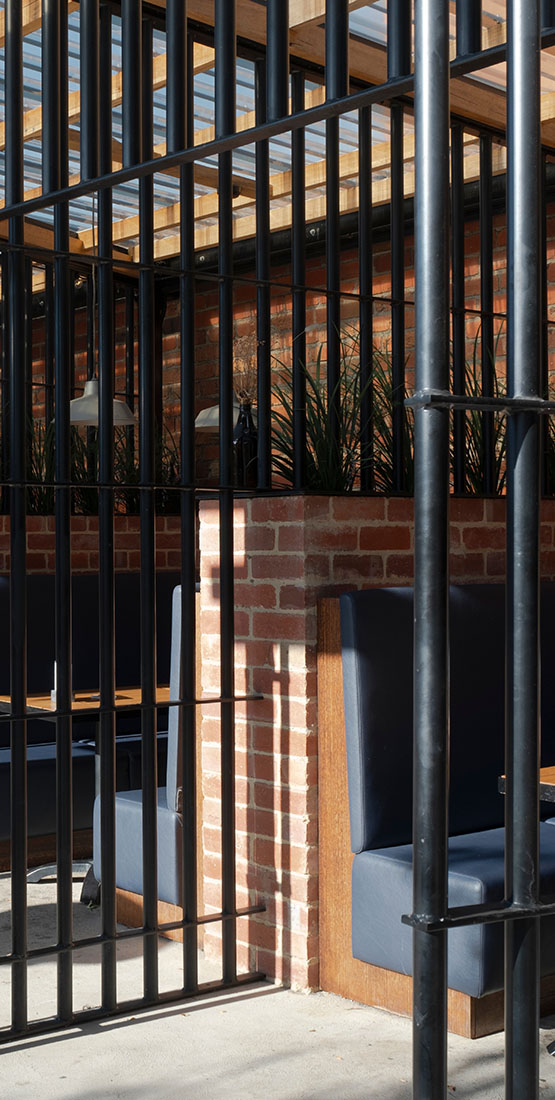
The new Pentridge Prison includes wine storage and a hotel

Luxury Apartment Boom Leaves Entry-Level Buyers Behind

Australia’s apartment construction surge is increasingly catering to affluent buyers, with new developments across capital cities skewing heavily towards the prestige end of the market. Rising construction costs, labour shortages and planning constraints are making it financially unviable for developers to deliver lower-priced stock, pushing many projects above the $1 million mark and effectively excluding first-home buyers. This trend is especially pronounced in Brisbane, where rapid price growth and limited supply have seen entry-level housing become less accessible than even Sydney. While demand for housing remains strong, it is increasingly concentrated among wealthier buyers, leaving lower-income households facing growing stress and fewer pathways to ownership. Experts warn that without coordinated policy reform, increased supply and a shift towards more diverse and medium-density housing, the traditional role of apartments as an affordable entry point into the property market will continue to erode.

Housing Market Holds Firm as Early Signs of Stress Emerge

Australia’s housing market continues to show resilience on the surface, with distressed property listings remaining near record lows across major cities, including around 2 per cent in Sydney. However, economists warn that underlying pressures are beginning to build, with rising interest rates, falling consumer confidence, increasing living costs and global uncertainty starting to weigh on households. While many borrowers are still managing due to savings buffers and proactive steps such as refinancing or fixing mortgage rates, experts caution these figures are lagging indicators, with financial stress likely to take 12 to 24 months to fully materialise. Early warning signs, including a slight rise in unemployment, increased refinancing activity and stretched household budgets, suggest more vulnerable markets could feel the impact first. Although widespread distress has not yet emerged, the market is entering a more fragile phase, where continued economic pressure could gradually translate into higher listings and softer conditions.

Buying Property Amid Rising Rates Comes Down to Personal Timing

As interest rates continue to rise, prospective buyers face an increasingly uncertain decision: enter the market now or wait for potential price softening. Following the Reserve Bank of Australia lifting the cash rate to 4.1 per cent, further increases are widely expected, which could reduce borrowing capacity and dampen demand. While some economists suggest global uncertainty and economic pressures may lead to slower price growth or modest declines, structural supply shortages are likely to prevent any significant market correction, particularly in Sydney. Experts broadly agree that trying to time the market is less important than assessing personal financial readiness, with opportunities often emerging during periods of uncertainty due to reduced competition. Ultimately, the decision to buy hinges on individual circumstances, borrowing capacity and long-term goals rather than short-term market predictions.

RBA Signals Limits of Monetary Policy Amid Growing Economic Pressures

The Reserve Bank of Australia has warned that monetary policy alone cannot address the complex forces driving inflation, with deputy governor Andrew Hauser calling for strong government support as global pressures intensify. Speaking against the backdrop of ongoing geopolitical conflict and an oil supply shock, Hauser highlighted the difficulty central banks face when inflation rises while economic activity slows, a scenario worsened by weak productivity and supply chain disruptions. With inflation remaining elevated and further interest rate hikes likely, the RBA emphasised its role in stabilising inflation expectations but acknowledged its limited ability to counter external shocks. As the cash rate sits at 4.1 per cent and may rise further, the burden is increasingly shared with government policy, which must balance cost-of-living relief with efforts to contain inflation.

Capital Gains Tax Discount Under Scrutiny as Reform Debate Intensifies

Proposed changes to Australia’s capital gains tax discount are gaining momentum, with Treasurer Jim Chalmers reportedly considering reducing or abolishing the long-standing 50 per cent concession. Originally introduced in 1999 to encourage investment and account for inflation, the policy is now widely criticised for fuelling housing affordability issues and favouring wealthier asset holders. Critics argue the discount distorts investment decisions, particularly when combined with negative gearing, by incentivising property speculation over more productive economic activity, while also creating inequities between income types and generations. With an estimated annual cost of $23.7 billion, the policy is seen as inefficient and expensive. While options such as reducing the discount or introducing a tax-free threshold for capital gains have been floated, many experts advocate for a phased removal to avoid market disruption and unintended consequences.

Auction Market Shows Strength Despite Softer Conditions

Despite shifting market conditions across Australia and New Zealand, auction sales continue to demonstrate strong performance, with industry leaders arguing the method remains one of the most effective ways to achieve timely and competitive results. According to Ray White South Australia chief auctioneer John Morris, auctions provide greater certainty for vendors in an uncertain environment by encouraging competitive bidding and reducing time on market. Data from Ray White shows that in South Australia more than 800 auctions were held in early 2026, with the majority attracting active bidding and strong clearance rates. Properties sold via auction also achieved higher final prices compared to pre-auction offers, while a significantly higher proportion were sold within 90 days compared to private treaty listings. Although broader data suggests some cooling in auction conditions, auctions continue to deliver strong efficiency and sales outcomes.

Rental Market Near Breaking Point as Affordability Caps Growth

Australia’s rental market remains under significant strain, with record-low vacancy rates and persistently high rents pushing affordability to the forefront, even as price growth begins to plateau in some areas. In Sydney, renters continue to feel the sharpest pressure, with house rents reaching around $800 per week and many tenants forced to compromise by moving further from the CBD or opting for smaller dwellings such as units or townhouses. While conditions remain tight nationwide, Perth is emerging as a leading indicator, experiencing particularly severe supply shortages and continued rent increases that may foreshadow trends in other cities. In contrast, Melbourne currently offers relatively more affordable rental conditions. Experts emphasise that the crisis is shifting rather than easing, with affordability constraints now limiting further rent growth, and stress that resolving the issue will require significant increases in appropriately targeted housing supply alongside coordinated government and industry action.

Former Pentridge Prison Cell Reimagined as Luxury Wine Storage

A unique slice of Melbourne’s history has hit the market, with a converted prison cell at HM Pentridge Prison now offered as a private wine cellar with a price guide of $85,000 to $90,000. Located within the heritage-listed D Division, the six-square-metre space forms part of the upscale Pentridge Cellars development, where former prison infrastructure has been transformed into secure, temperature-controlled storage for wine collectors and enthusiasts. The listing marks the first time an individual cell has been publicly auctioned, highlighting both its rarity and appeal as a collectible asset or alternative storage solution. With its preserved bluestone walls and historic significance, the offering blends novelty, history and lifestyle, reflecting broader trends in adaptive reuse and premium real estate niches.

Sydney and Melbourne Lead Market Reversal as Prices Edge Lower

Australia’s housing market has shifted direction sharply, with Sydney and Melbourne recording their first quarterly price declines after a period of strong growth, signalling a cooling at the top end of the market. Sydney’s median house price slipped slightly following previous gains, while Melbourne saw a more pronounced drop, reflecting sensitivity to interest rate increases, cost-of-living pressures and broader economic uncertainty. In contrast, other capitals such as Perth, Adelaide, Brisbane and Darwin continued to record strong growth, highlighting an increasingly two-speed national market. Experts suggest buyer confidence is weakening, with many households delaying purchasing decisions amid expectations of further rate rises and global instability. While lower-priced segments remain relatively resilient, the upgrader market is showing clear signs of hesitation and softer pricing.

Conclusion

Across April 2026, Australia’s property market shows a clear split between resilient and cooling segments. While long-term fundamentals remain supported by population growth and supply constraints, short-term conditions are increasingly shaped by interest rates, affordability pressures and shifting confidence. The result is a fragmented market defined by strong local variation rather than a single national trend.