August 2026

Monthly Top 10 Real Estate Articles for Sydney #97

This month, Australia’s property market continues to adjust to higher interest rates, changing buyer behaviour and softer price growth, with Sydney among the capitals experiencing a more cautious phase. The latest commentary points to a market correction rather than a crash, while falling values are creating opportunities for some buyers, particularly upsizers. At the same time, pressure remains across the housing sector, from rising construction and rental costs to developer instability and shifting investor conditions. The month’s articles also highlight the growing importance of realistic pricing, strong property presentation and experienced advice as buyers become more selective and market momentum becomes less reliable.

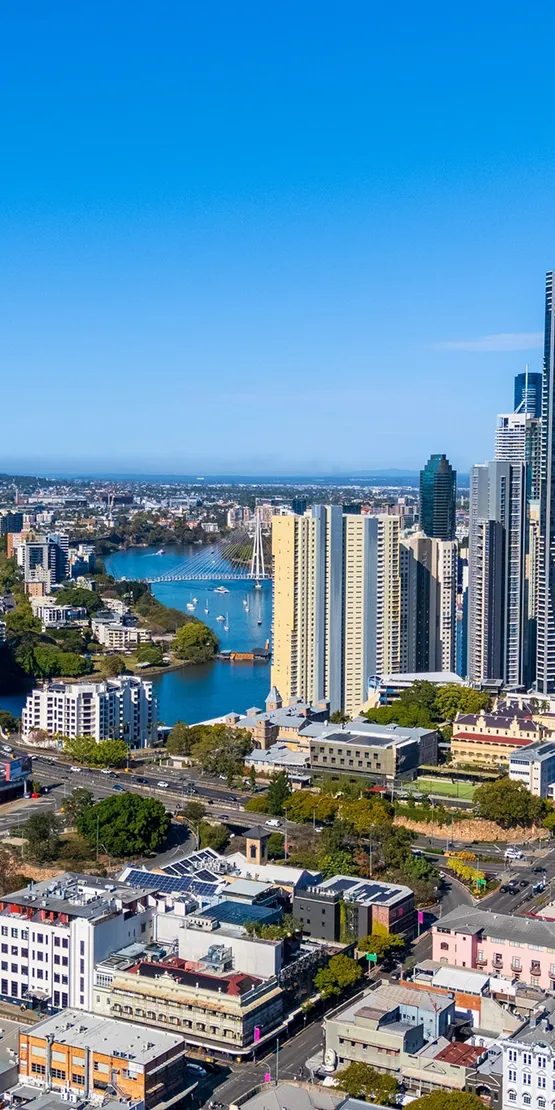
Brisbane Overtakes Sydney and Melbourne for Property Resale Profitability

https://www.domain.com.au/news/brisbane-australias-most-profitable-property-market-profit-report-2026-1540548

Brisbane has emerged as Australia’s strongest property market for resale profitability, with Domain reporting 99.5 per cent of both house and unit sales made a profit in the first half of 2026. Median house gains reached a record $629,056, while Perth recorded the highest share of profitable house resales at 99.6 per cent. Sydney still delivered the largest median house profit at $739,500, but its growth was more subdued, while Melbourne was the only capital to record a fall in median house profits. The results highlight the recent strength of Brisbane, Perth and Adelaide, although analysts remain divided over whether this represents a lasting shift or another property cycle.

New Zealand and Canada Offer a Warning for Australia’s Housing Market

https://www.abc.net.au/news/2026-08-18/what-happens-if-property-prices-fall-20-per-cent-ask-nz-canada/107045250

Australia’s housing downturn is drawing comparisons with New Zealand and Canada, where property prices have fallen sharply following years of rapid growth. Since 2022, inflation-adjusted prices have dropped close to 30 per cent in New Zealand and around 20 per cent in Canada, driven by higher interest rates, weaker migration and rising unemployment. Australia has so far been more resilient due to lower peak interest rates, strong population growth and persistent housing shortages. However, with Sydney and Melbourne prices now falling and growth slowing elsewhere, the overseas experience highlights the potential economic impact of a prolonged downturn, particularly given the large share of Australian household wealth tied to property.

Presentation Remains Key to Achieving a Strong Sale Price

https://www.therealestateconversation.com.au/news/2026/08/17/john-mcgrath-easy-ways-ensure-your-home-appeals-buyers/1786956674

John McGrath says presentation is increasingly important for sellers looking to attract buyers and achieve a premium result in a changing property market. He recommends focusing on strong street appeal, clean and well-maintained outdoor areas, decluttered interiors, neutral colours and plenty of natural light. Small improvements such as fresh plants, minor repairs and professional cleaning can also make a significant difference. For sellers with the budget, a stylist can help create broader emotional appeal and ensure the property is presented in a way that encourages competition rather than reflecting the owner’s personal taste.

Housing and Monetary Policy Risk Working Against Each Other

https://www.therealestateconversation.com.au/news/2026/08/10/australias-and-housing-policies-are-now-working-against-each-other-ray-white

Ray White Chief Economist Nerida Conisbee argues that Australia’s housing and monetary policies are increasingly pulling in opposite directions. While headline inflation eased to 3.8 per cent in June, housing inflation rose to 6.8 per cent, driven by electricity, rents and new dwelling construction costs. Higher interest rates may reduce demand, but they also increase development costs and can make new housing projects less viable. At the same time, policy changes that weaken investor demand could reduce future rental supply and place further upward pressure on rents. The result is that house prices may be falling while the actual cost of housing continues to rise.

Experts Say Australia’s Housing Market Is Correcting, Not Crashing

https://www.domain.com.au/news/is-australias-housing-market-crashing-or-correcting-experts-explain-the-difference-1543343/

Property experts say Australia’s current housing slowdown is better described as a correction rather than a crash. After unusually strong pandemic-era growth, price movements are returning towards more normal levels, with Sydney house prices falling 3.3 per cent in the June quarter and Melbourne down 3.1 per cent. Economists argue that a genuine crash would require deeper structural problems such as sharply rising unemployment, widespread mortgage defaults, restricted credit or a major oversupply of housing. With rental vacancies still extremely low and housing construction continuing to lag demand, most experts expect the current downturn to remain relatively contained rather than develop into a severe market collapse.

Bathla Group Collapse Puts Western Sydney Projects in Doubt

https://www.domain.com.au/news/major-sydney-property-developer-bathla-group-collapses-1547815/

Major Sydney developer Bathla Group has entered voluntary administration after rising construction costs, falling property prices and tighter lending conditions placed significant pressure on the business. The company, which has operated for 25 years and employs more than 500 staff, has around $1.41 billion worth of residential projects currently underway across Western Sydney, with thousands of future dwellings in its broader pipeline. Administrators Teneo have been appointed to stabilise operations, work with lenders and maintain construction and settlements where possible, although the collapse has created uncertainty for off-the-plan buyers, employees, contractors and other stakeholders.

RBA Holds Cash Rate at 4.35 Per Cent for Second Consecutive Meeting

https://therealestateconversation.com.au/news/2026/08/11/interest-rates-hold-the-second-consecutive-rba-meeting/1786414444

The Reserve Bank of Australia has kept the cash rate unchanged at 4.35 per cent for the second consecutive meeting, giving borrowers some temporary relief after 75 basis points of increases earlier in the year. Inflation remains elevated but has eased slightly, while economic growth, consumer sentiment and business conditions have weakened and unemployment is trending higher. The Agency’s Cameron Kusher believes the rate-hiking cycle may have peaked, although further increases remain possible if inflation persists. For the property market, steady rates may provide greater certainty for buyers and sellers, although borrowing conditions are likely to remain restrictive for some time.

Fifteen Suburbs Drop Below Million-Dollar Price Benchmarks

https://www.domain.com.au/news/million-dollar-club-suburbs-fall-below-price-benchmarks-june-quarter-2026-1545910/

Fifteen Australian suburbs fell out of the $1 million, $2 million or $3 million median-price brackets in the June quarter as higher interest rates, cost-of-living pressures and weaker buyer sentiment weighed on values. NSW and Victoria recorded the largest number of affected suburbs, including Birchgrove and Gladesville, which slipped below the $3 million house-price mark, and Kensington and Rhodes, where unit medians fell below $1 million. Agents say buyers currently have greater negotiating power and are increasingly focused on value, although premium, well-presented properties continue to attract strong competition.

Property Downturn Creates Opportunities for Upsizers

https://www.domain.com.au/news/house-prices-are-slipping-but-its-not-all-bad-news-if-youre-this-kind-of-seller-1540997/

Falling property prices are creating opportunities for upsizers in Sydney, Melbourne and Canberra, where more expensive homes have recorded larger dollar declines than entry-level properties. Domain data shows Sydney’s median house price fell 3.3 per cent in the June quarter, giving buyers greater negotiating power in premium segments. Experts say the key is to focus on the “upgrade gap” between the property being sold and the more expensive home being purchased. In some cases, an upsizer may sell for less than expected but still come out ahead if the next property has fallen by a greater amount, effectively reducing the overall cost of upgrading.

Reputation and Experience Become More Important in a Changing Market

https://www.therealestateconversation.com.au/news/2026/08/30/reputation-now-the-real-advantage-the-changing-market-place/1788070263

Place New Farm agent Alex Rutherford says a more selective property market is placing greater emphasis on agent experience, communication and credibility. With buyers comparing properties more carefully and sellers unable to rely on market momentum alone, realistic pricing advice and honest feedback are becoming increasingly important. Rutherford argues that sellers should look beyond ambitious price promises or social media profiles and instead focus on an agent’s track record, local knowledge and ability to manage a campaign through changing conditions. In her view, reputation is built through consistent communication, sound judgement and delivering on promises, particularly when negotiations become more difficult.

Conclusion: A More Selective Market Creates New Risks and Opportunities

August’s property commentary points to a market that is slowing and becoming more selective rather than experiencing a broad-based collapse. Sydney is feeling the effects of higher borrowing costs and weaker sentiment, but persistent housing shortages and low rental vacancies continue to provide underlying support. For buyers, softer conditions are improving negotiating power and creating opportunities to upgrade, while sellers increasingly need realistic expectations, strong presentation and experienced representation. At the same time, rising development costs, policy tensions and the collapse of a major Western Sydney developer underline the ongoing challenges facing housing supply and affordability.