March 2025

Monthly Top 10 Real Estate Articles for Sydney #80

This month, Sydney’s property market revealed signs of both subtle shifts and enduring pressures. While house prices have defied gloomy predictions over the past five years, fresh challenges are emerging in the form of lagging supply, cautious renovation trends, and rent increases that—thankfully—appear to be moderating. First-home buyers are finding it harder than ever to secure a foothold without significant compromise, while new data highlights the growing importance of alternative ownership models like co-investing and rentvesting. Simultaneously, societal shifts are playing out in the market, from the rise of women investors to the emotional pull of lifestyle-driven listings. With economic uncertainty on the global horizon, the direction of Sydney’s property market over the rest of 2025 may hinge as much on macroeconomic outcomes as local demand fundamentals.

Alternative Pathways to Property Ownership

https://www.therealestateconversation.com.au/news/2025/03/10/co-ownership-rentvesting-and-other-ways-the-market-john-mcgrath/1741566359

John McGrath explores emerging trends that reflect how Australians are navigating affordability challenges in the property market. A CoreLogic survey reveals 63% of adults now own at least one property, with ownership rates similar between men and women. Innovative strategies such as rentvesting—buying an investment property while renting elsewhere—and co-ownership with friends or family are becoming more popular, especially among younger buyers. Nearly half of investment property owners are now co-owners, underscoring the collaborative approach many are taking. McGrath also highlights continued reliance on the “Bank of Mum and Dad,” as well as the enduring appeal of residential property as a wealth-building asset in Australia’s tax-friendly environment.
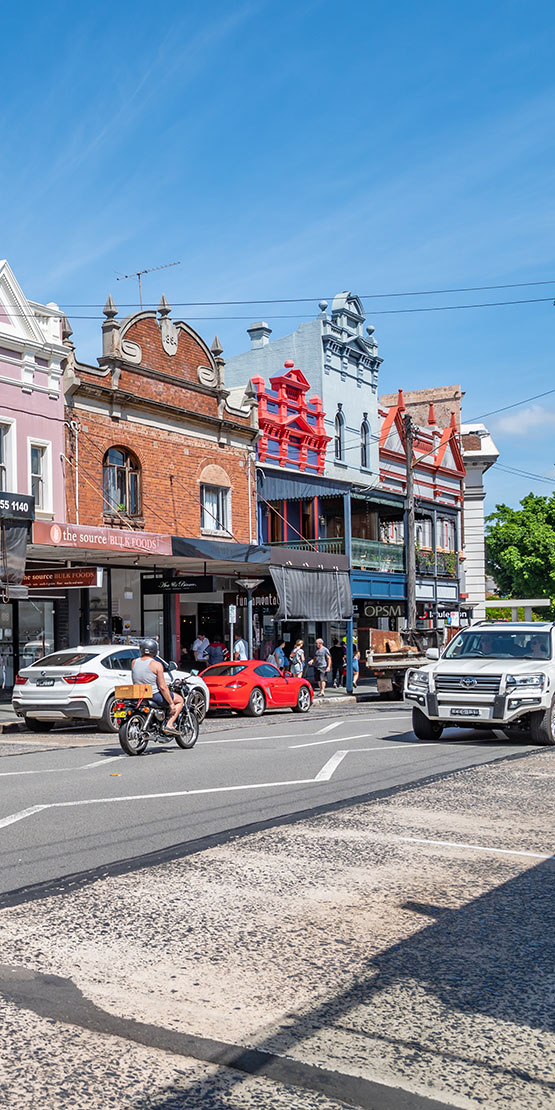
A slice of Balmain

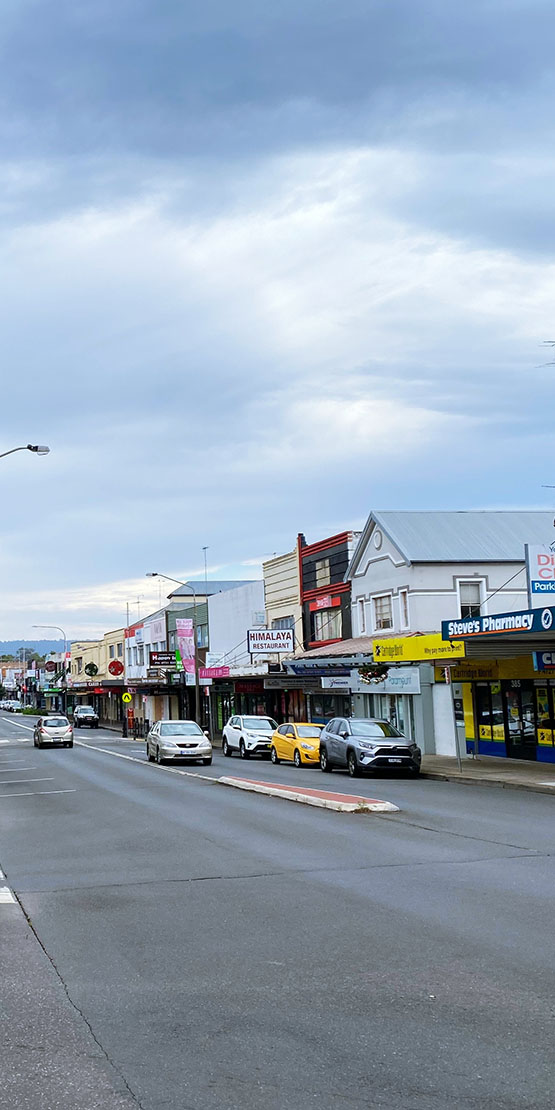
A slice of Penrith

Renovation Fatigue: The Reno Boom Loses Steam

https://www.domain.com.au/news/australians-used-to-a-love-a-renovators-delight-but-is-the-reno-boom-going-bust-1359058/

The once-thriving home renovation sector is now slowing under the weight of rising costs, interest rate hikes, and tradie shortages. At its peak in 2021–22, Australians spent nearly $60 billion upgrading their homes, but activity has significantly cooled, with Victoria seeing a 24.5% drop in approvals since 2021. Higher prices for materials and delays in completion have made many would-be renovators hesitant, especially with returns on investment no longer guaranteed. While cosmetic updates remain common among first-home buyers, larger structural projects are being avoided. Meanwhile, buyer preferences are shifting toward turn-key homes, particularly in the $2–$6 million range, where affluent purchasers are less inclined to undertake major upgrades.

Five-Year Price Surge Defies Pandemic Predictions

https://www.domain.com.au/news/where-property-prices-rose-most-over-the-past-five-years-1360128/

Despite early forecasts of a COVID-induced crash, property prices in most parts of Australia surged dramatically over the past five years. Sydney house prices rose nearly 36%, while Brisbane and Perth saw even stronger growth at 70% and 77.8% respectively. Units underperformed by comparison, especially in Melbourne where median unit prices rose just 0.7%. The unexpectedly resilient market was fuelled by aggressive government stimulus, mortgage deferrals, and ultra-low interest rates. Regional areas also experienced extraordinary growth, with towns like Murray Bridge and Kingaroy doubling in value. Experts now reflect that initial predictions failed to anticipate the scale of policy intervention and the shift in buyer behaviour towards detached homes in affordable or lifestyle-rich areas.

Rent Surge Eases, but Relief May Be Short-Lived

https://www.domain.com.au/news/landlords-could-once-increase-rents-20-per-cent-a-year-thats-changed-1359766/

Australia’s brutal run of soaring rents appears to be easing, with national vacancy rates rising to 1.3% in February—offering tenants some temporary reprieve. However, experts caution that the tight rental market is far from over, and further pressure may soon return. While the days of 20%+ annual rent increases are likely behind us, steady rises of 2–6% are expected to continue. Sydney saw a slight fall in rents, but Melbourne, Brisbane and Perth still recorded monthly increases. Factors like ongoing demand, low vacancy rates, and limited rental stock remain, though tenants are now pushing back—taking on flatmates or moving back with family to cope. Calls for rental reform are growing, with attention turning to inflation-linked rent caps like those used in Canberra.

Entry-Level Buyers Face Reality Check Across Capital Cities

https://www.domain.com.au/news/reality-check-heres-what-you-get-paying-entry-level-price-in-every-capital-city-1358013/

A detailed look at Australia’s capital cities reveals the widening gap between first-home buyer expectations and market reality. In Sydney, $990,000 is considered entry-level—still well below the city’s $1.6 million median—yet buyers must venture far from the CBD or consider compromised homes. Melbourne offers better value, with a 25th percentile price of $670,000, allowing options in fringe suburbs like Melton and Pakenham. Brisbane’s $735,000 entry point rules out the city centre entirely, pushing buyers to areas like Ipswich or Logan. Adelaide and Perth still present relatively affordable opportunities under $700,000, though competition and demand remain high. Across the board, experts emphasise flexibility on location and condition, suggesting entry-level buyers must adjust expectations, act quickly, and embrace renovation potential to secure a foothold in the market.

Three Diverging Paths for Australia’s Housing Market

https://therealestateconversation.com.au/news/2025/03/17/three-scenarios-australias-housing-market-ray-white/1742161216

Nerida Conisbee, Chief Economist at Ray White, outlines three possible scenarios that could shape the property market over the next year. In the first, a global economic slowdown leads to interest rate cuts, boosting borrowing power and driving further price growth—though affordability would deteriorate. The second envisions rising tariffs fuelling inflation, triggering rate hikes and a softening property market, with buyer caution and longer selling times. The most challenging outlook is stagflation coupled with a Chinese economic slowdown, hitting resource-driven states hardest and widening the divide between premium urban areas and outer suburbs. Despite these uncertainties, structural undersupply continues to provide a degree of resilience.

Housing Shortfall Sparks Fresh Warnings

https://www.realestate.com.au/news/housing-crisis-shock-half-a-million-homes-short-of-target/

Australia is now projected to fall short of its National Housing Accord target by a staggering 462,000 homes by 2029, according to the Property Council of Australia. The report highlights the urgent need to boost housing supply, warning that failure to meet the 1.2 million home target will deepen affordability issues and cost renters $90 a week on average. NSW is the worst-performing state, needing an additional 185,000 homes. Construction activity remains weak, with 2024 approvals among the lowest in over a decade. Experts are calling for reforms including a $6 billion New Homes Bonus, faster land releases, and planning overhaul. Meanwhile, affordability continues to erode, with the cost of building a home surpassing $500,000. Critics argue that government inaction, poor planning incentives, and a retreat from public housing have worsened the crisis—leaving prospective buyers years behind on deposits and with fewer realistic pathways to ownership.

Navigating the Budget Question from Real Estate Agents

https://www.domain.com.au/advice/what-to-do-when-a-real-estate-agent-asks-whats-your-budget-1295391

When a real estate agent asks, “What’s your budget?”, it’s more than small talk—it’s a strategy to gauge how serious you are as a buyer. According to industry experts, being too cagey can cut you off from pre-market opportunities, but oversharing can weaken your negotiation position. The trick is to strike a balance. Referencing comparable sales and offering a price range (with flexibility) signals that you’re informed without giving away your max limit. Tools like spreadsheets tracking recent sales can back up your offer logic. And while honesty helps build rapport, experts warn that your budget could be used against you in post-auction negotiations—so keeping a “stretch budget” in your back pocket might be wise. Ultimately, understanding your cashflow and personal financial limits matters more than the bank’s loan calculator.

Lifestyle Photography Brings Listings to Life

https://www.domain.com.au/advice/lifestyle-listing-photos-1360243

Forget sterile perfection—today’s property listings are all about lived-in charm. Real estate agents are increasingly embracing lifestyle photography that features people, pets, and everyday moments to spark emotional connections with buyers. From agents and homeowners appearing in shots to dogs snoozing in sunlit rooms, the trend adds warmth and relatability. Experts say these candid, authentic images help buyers imagine themselves in the space, boosting engagement and connection. With social media further fuelling this shift, listings that show the experience of a home—not just its features—are becoming more persuasive, relatable, and powerful in a crowded market.

Women Take the Lead in Australia’s Investment Landscape

https://www.domain.com.au/advice/investor-iwd-2025-1357385/

The face of the Australian property investor is rapidly changing, with women now making up nearly half the investor market—up from just 20% a little over a decade ago. Driven by financial necessity, especially in light of the persistent gender pay gap and lower superannuation balances, more women are turning to strategic property investment to secure long-term financial independence. Experts note women approach investing with a future-focused mindset, prioritising stability and security for themselves and their families. With Gen Z women investing at record rates and $4.9 trillion in intergenerational wealth set to change hands, female investors are poised to become dominant players in the market.

Conclusion

In April, the dominant themes were affordability, adaptability, and expectation management. While structural undersupply continues to prop up prices, the feasibility of achieving national housing targets looks increasingly slim. Buyers are getting more strategic—whether by pooling resources, moving further afield, or choosing unrenovated homes with long-term plans. Investors and agents alike are recognising the value of authenticity, both in marketing and strategy, as emotional resonance becomes a key factor in property transactions. Yet with interest rate movements, global trade risks, and housing shortfalls all in play, the balance between aspiration and pragmatism remains delicate. The Sydney market continues to evolve—not bursting, but bending under pressure.